
Beyond Trade Missions: Trade Missions as Instruments of Structured Market Entry
Editor’s Note
This article forms part of the monthly thought leadership series published by the Cameroon -Türkiye Business Council, dedicated to advancing structured dialogue on trade, investment, and economic cooperation. The reflections presented here draw from sustained engagement in bilateral economic facilitation and institutional coordination within evolving regional and global trade frameworks.
Beyond Trade Missions: Trade Missions as Instruments of Structured Market Entry
In the architecture of modern economic diplomacy, trade missions are often viewed through the lens of visibility. Delegations travel, forums are convened, and business-to-business meetings take place. Yet visibility, while useful, does not in itself generate structural economic impact.
For trade missions to contribute meaningfully to national development, they must be treated not as events, but as instruments embedded within broader macroeconomic strategy.

When properly sequenced and institutionally anchored, trade missions reduce information asymmetry, diversify sourcing channels, introduce competitive discipline into domestic markets, facilitate technology exposure, and support the gradual construction of resilient trade corridors. When detached from strategy, they remain symbolic.
The distinction is not in scale, but in structure.
Trade Missions Within Macroeconomic Strategy
For economies pursuing diversification and structural transformation, trade missions serve functions that extend beyond immediate transactions.
First, they act as controlled entry points for sectoral integration. By identifying priority sectors aligned with national development plans, governments and coordinating institutions can direct engagement toward industries that support productivity growth, infrastructure development, and industrial upgrading.
Second, they contribute to supply chain resilience. Overdependence on limited trade partners exposes economies to external shocks. Structured diversification enhances bargaining power, reduces vulnerability, and introduces pricing transparency.
Third, they create exposure to evolving technical standards, manufacturing ecosystems, and regulatory models. This exposure is not incidental. It supports domestic firms in meeting higher compliance thresholds and competing more effectively within regional and continental markets.
Within this framework, trade missions become instruments of economic calibration rather than isolated commercial gatherings.
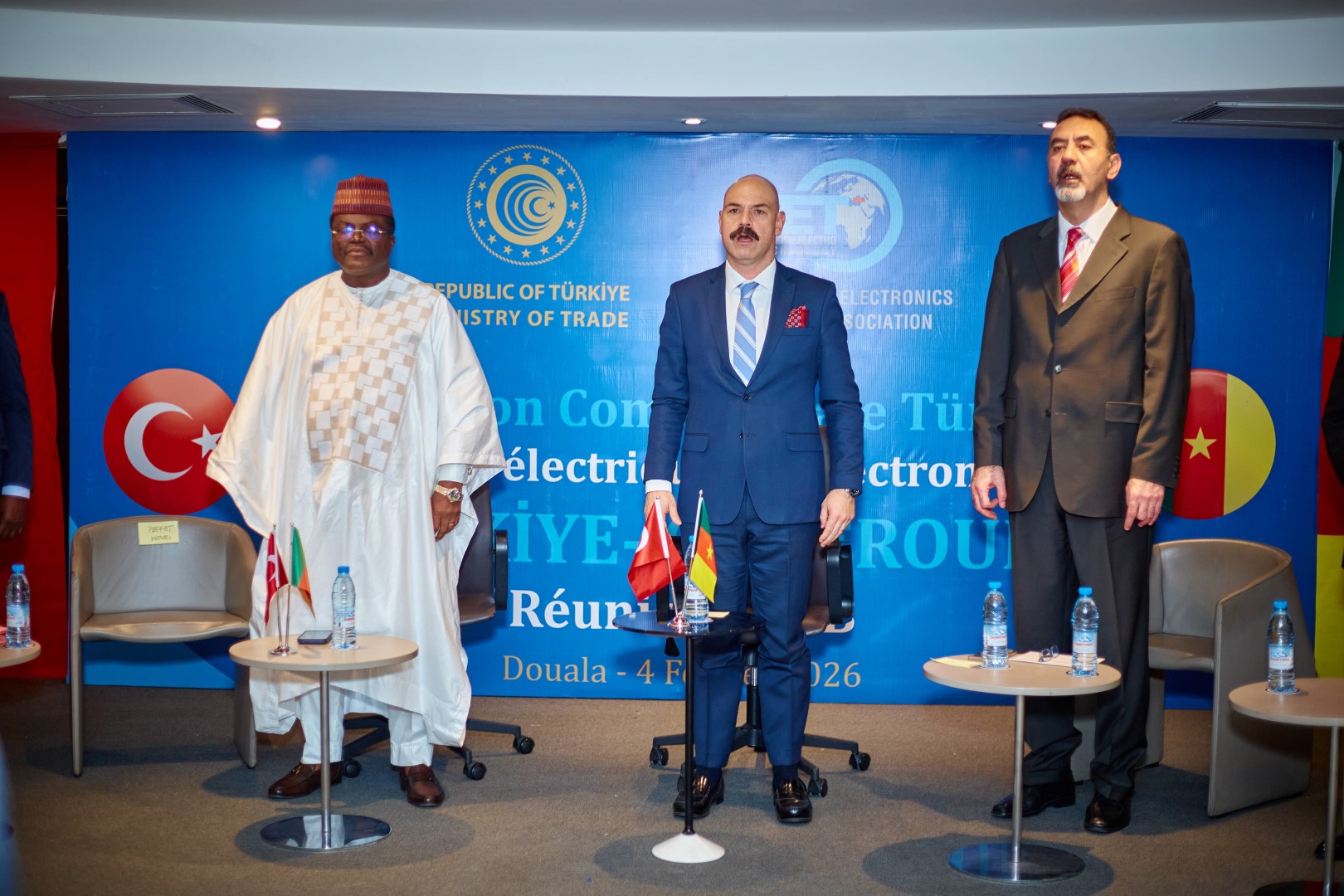
Sequencing and Institutional Discipline
Sustainable market entry is rarely immediate. It follows an iterative sequence shaped by institutional discipline.
Effective trade missions are preceded by demand mapping, sector prioritization, and regulatory clarity. Technical specifications, certification requirements, and financing structures are identified in advance to minimize post-engagement friction.
During engagement, institutional actors perform distinct but complementary roles. Diplomatic channels reduce political risk. Business councils facilitate commercial credibility and trust formation. Ministries and regulatory bodies clarify compliance pathways. Municipal and sector authorities articulate infrastructure priorities and partnership models.
Following engagement, structured follow-up determines whether exploratory dialogue evolves into measurable trade flows. Technical documentation is exchanged. Standards are assessed. Financial structuring mechanisms, including credit arrangements and partnership models, are examined. In many cases, repeated engagement over multiple cycles consolidates confidence.
Market entry is therefore not a transaction. It is a process of progressive integration.
From Bilateral Engagement to Trade Corridors
Isolated contracts do not constitute economic transformation. Trade corridors emerge when repeated, structured interaction generates predictability, regulatory familiarity, and cumulative commercial trust.
Over time, this predictability lowers transaction costs. Businesses internalize regulatory frameworks. Standards alignment improves. Financial institutions gain confidence in cross-border risk profiles. Sector depth expands.
Such corridors, when sustained, become strategic assets. They stabilize trade flows, enhance resilience, and provide platforms for further industrial collaboration.
For countries seeking to reposition themselves within global value chains, the development of structured trade corridors offers a pathway toward more stable and diversified external engagement.
National Diversification and Continental Integration
Cameroon’s broader economic orientation toward diversification and industrial upgrading provides an essential context for evaluating trade missions. The objective is not merely to expand import volumes. It is to expand competitive options, improve standards, and enhance domestic capacity.
Introducing alternative suppliers introduces pricing discipline. Exposure to new manufacturing ecosystems creates avenues for skill transfer and technology adaptation. Structured dialogue in infrastructure, energy, and industrial sectors opens opportunities for partnership models such as public-private partnerships and build-operate-transfer frameworks.
Within the framework of the African Continental Free Trade Area, regional integration further elevates the importance of competitiveness and standards compliance. As African markets integrate, domestic firms must meet higher technical and operational benchmarks. Engagement with diverse global manufacturing partners contributes indirectly to strengthening these capabilities.
Moreover, multilateral trade institutions and development finance frameworks increasingly emphasize value addition, supply chain integration, and industrial resilience. Bilateral trade missions, when embedded within strategic planning, can serve as practical instruments for advancing these broader objectives.
In this sense, bilateral engagement supports continental ambition when anchored in coherent national strategy.
Institutional Continuity and Long-Term Economic Governance
The durability of trade mission outcomes depends on institutional continuity. Economic transformation requires consistency across political cycles, administrative changes, and market fluctuations.
Sustained collaboration between embassies, business councils, ministries, regulatory agencies, financial institutions, and private-sector actors creates the ecosystem necessary for implementation. When engagement is episodic, momentum dissipates. When engagement is embedded within institutional memory and strategic alignment, commercial relationships mature and compound.
Economic governance is cumulative. Structured trade missions contribute meaningfully when treated as components of long-term economic planning rather than short-term activity.
Conclusion
Trade missions remain valuable instruments within the broader framework of economic diplomacy. However, their macroeconomic relevance depends on whether they are embedded within structured market entry strategies and aligned with diversification, competitiveness, and regional integration objectives.
For economies seeking to reposition themselves within evolving global and continental trade systems, the challenge is not organizing more missions. It is designing them as components of coherent trade architecture.
When sequenced deliberately, supported institutionally, and integrated into national and continental strategy, trade missions can move beyond visibility and become catalysts of structured, sustainable economic integration.
Prepared under the direction of Etonde Martin-Ndoping, Executive Director, Cameroon–Türkiye Business Council.